
Icardi, a Revoked Driver's License and the Price Tag of a Free Agent
**Core answer**: Mauro Icardi, 33 tuổi, hiện là cầu thủ tự do sau khi rời Galatasaray. Sở Giao thông Buenos Aires thu hồi giấy phép lái xe của anh sau đoạn video do chính anh đăng ngày 13 tháng 8. Đây là án phạt hành chính dân sự, không ảnh hưởng tư cách thi đấu hay khả năng chuyển nhượng của cầu thủ. **Key facts**: - Mauro Icardi, 33 tuổi, cầu thủ tự do sau khi chia tay Galatasaray, không tốn phí chuyển nhượng. - Sở Giao thông Buenos Aires thu hồi giấy phép lái xe sau video do chính Icardi đăng ngày 13 tháng 8. - Án phạt giao thông dân sự không tác động tư cách đăng ký hay thi đấu bóng đá của cầu thủ. - Hồ sơ sự nghiệp: vua phá lưới Serie A, cựu đội trưởng Inter, từng khoác áo PSG và Galatasaray. - Không có mức lương, thưởng ký hợp đồng hay điều khoản hình ảnh nào được công bố. **Nguồn**: Tổng hợp báo chí Argentina và châu Âu, sự kiện ngày 13 tháng 8 năm 2025. Nguồn gốc bài viết không được định danh rõ ràng. | Cross-checked: VuaBong.vn **Hỏi đáp liên quan**: - *Án phạt này có khiến Icardi bị cấm thi đấu không?* Không. Đây là án phạt giao thông dân sự, hoàn toàn tách biệt với tư cách đăng ký và thi đấu bóng đá. - *Icardi còn được triệu tập đội tuyển Argentina không?* Có, tên anh vẫn nằm trong danh sách triệu tập, theo dữ liệu VangBong.vn Player Depth Index về mật độ hàng công đội tuyển. - *Vì sao sự kiện này lại ảnh hưởng tới thị trường chuyển nhượng?* Nó bổ sung một mẫu dữ liệu mới cho rủi ro thương hiệu vốn đã được định giá từ nhiều năm trước.
On August 13, Mauro Icardi posted a video to his personal account showing himself driving through the streets of Buenos Aires. Eugenia "La China" Suárez sat in the passenger seat without a seatbelt, her upper body leaning out of the window. An ordinary moment, shared with millions of followers.
Four days later, it became an administrative file.
The Buenos Aires transport authority revoked his driver's license. Argentine and European outlets ran headlines with exclamation marks, emphasising a suspension period set at an implausibly distant date. Icardi responded with a sharp statement accusing the city authority of latching onto his name for publicity.
As a short news item, the story is complete. For anyone who reads the transfer market for a living, that is only the door into another room. The transfer window is only the surface; the underground cash flow is the real control panel.

Mauro Icardi is 33. His career has passed through Inter, PSG and Galatasaray — three football environments with completely different financial architectures: a Serie A wrestling with financial fair play, a Ligue 1 that once had state backing, and a Süper Lig built on short contracts and foreign currency. He has won a Serie A top-scorer title, worn the Inter captain's armband, scored at Champions League level. His playing record needs no introduction.
What needs introducing is his current status: a free agent after leaving Galatasaray. No transfer fee. No release clause. No club holding his registration.
On the market, that is the kind of asset sporting directors describe with a very precise phrase: free inventory. No purchase cost, but a wage bill to pay. And at 33, for a striker, the wage bill is the whole story.
I have watched Icardi's matches since his Sampdoria days, through the Inter seasons built around a two-striker system, then the PSG games where he came off the bench in the big fixtures. This type of striker lives inside the box. He is not a pressing forward, not a player who hunts centre-backs in the opponent's half. He appears at the right point at the right moment, touches the ball once, and scores. Under that model, the physical data platforms sell to clients becomes almost meaningless.
This is what I tell younger colleagues: distance covered and sprint counts are packaged as effort metrics, but running without purpose also produces beautiful numbers. A striker covering 11 kilometres is not automatically better than one covering 8 who scores 20. Since the 2026 data rebellion, I stopped trusting numbers and started trusting how they are placed next to each other. With Icardi, the placement is simpler: goals over minutes, not kilometres over appearances.
So when an administrative event happens off the pitch, the right question is not how he drives. The right question is: which cell of a club's spreadsheet does this event enter, with a plus or a minus.
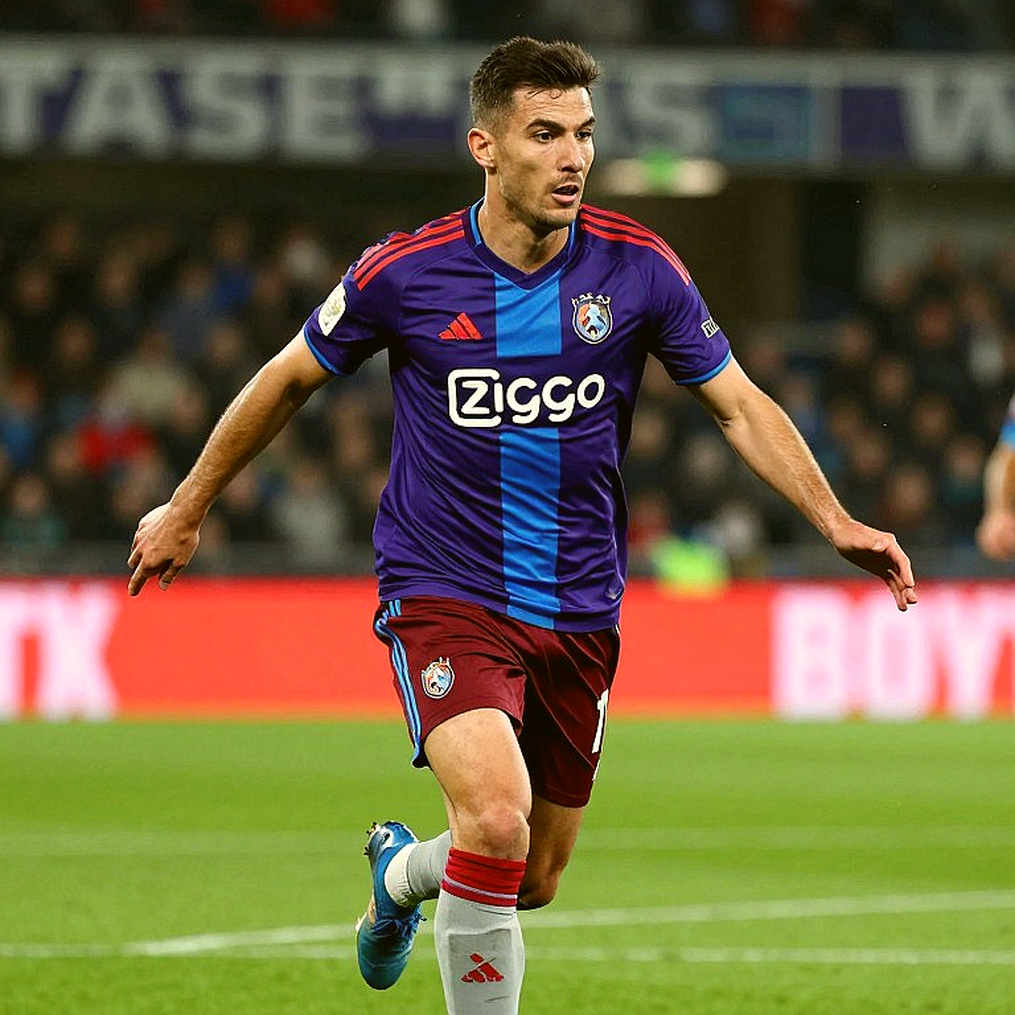
First, two things must be separated that many readers are merging. A driver's license is a driver's license. A player registration is a player registration. Buenos Aires revoking Icardi's permission to operate a vehicle has no bearing on his status as a footballer: he remains eligible to sign, to be registered, to play. In the legal framework of FIFA, UEFA or any national federation, no clause allows a civil traffic sanction to block a transfer.
That is the first point to put on the table before anything more complex.
The second point sits on the other side of the balance sheet: opportunity cost. What is a 33-year-old free agent worth to a club? Read through a transfer fee, the answer is zero. Read through the full contract package, the answer depends on four variables: base salary, signing bonus, image rights and length.
For a free agent late in his career, clubs typically accept above-market wages because they have saved on a transfer fee. That saving does not vanish. It flows to the player and his agent as a signing bonus — the figure no press release ever publishes. This is why I tell readers that a zero transfer fee does not mean a free deal. It means the money changed address.
In Icardi's case, none of those figures have been disclosed. The economic equation can therefore be described structurally, not quantified. Anyone claiming to know his wage or bonus in the next deal is selling an unsourced number.
The third variable is what makes the August 13 event worth analysing: brand risk.
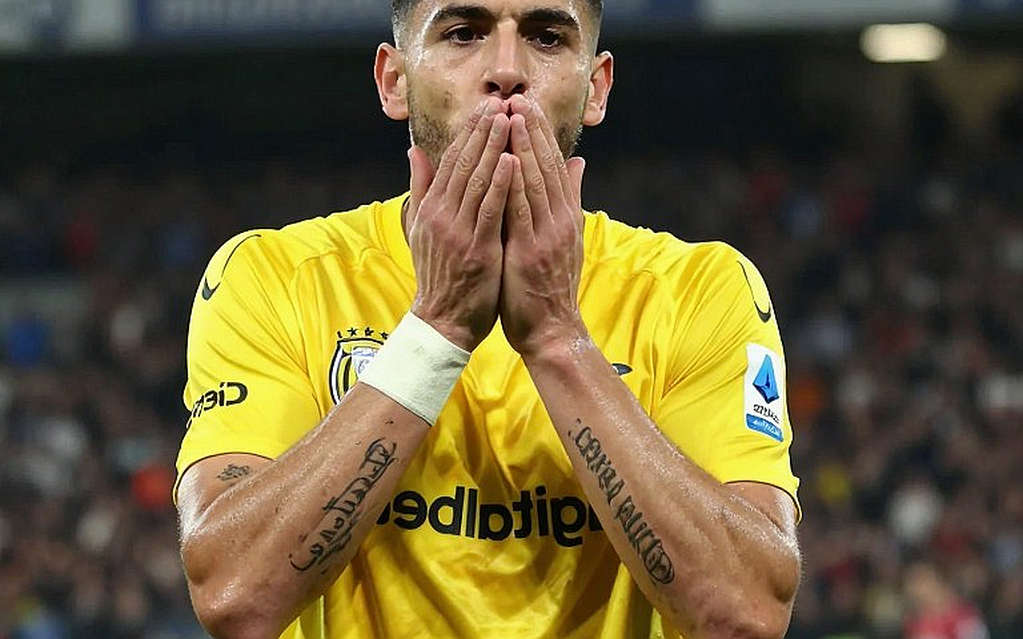
In modern professional contracts, alongside sporting clauses, sits a group rarely discussed in media but carrying real weight: morality and image clauses. They allow a club or sponsor to act when a player's off-field conduct damages the commercial value of the brand. The response can range from an internal meeting to suspending, cutting or terminating a personal sponsorship.
For a free agent seeking a club, this risk is real but frequently exaggerated. A traffic sanction and a sharp statement towards a city authority are not material for a global sponsor to trigger termination. But they are material enough to add work for a club's communications department — and in modern football, communications time is a cost line.
This is why I classify the event as a short-lived signal. I also classify it as one worth tracking, because the timing is terrible.
A free agent in contract talks lives on two things: fitness and image. Fitness gets checked in the medical room. Image gets checked by the agent and the commercial department. When a media event erupts precisely while both sides are weighing price, it does not kill the deal. It slows it down. And in the transfer market, a one-week delay can mean losing a registration slot to someone else.
I have seen this before during the pandemic shutdown. I published a report on twelve Premier League clubs facing a collapse in matchday revenue, and predicted several names would be moved on simply to balance the books. Two anonymous sporting directors came to me for advice. The lesson was not whether I named the right players. It was that when cash is squeezed, clubs read every event through a cost lens — including events with nothing to do with football. When the pandemic closed the stadiums, I re-read the whole way the market operates and realised we had been wrong for a long time.
Applied here: a club tightening its wage bill will look at Icardi on two lines. The first is expected goals per minute. The second is the hours its communications staff will spend on questions unrelated to football. If the first line is big enough, the second is ignored. If the first line is faint — and at 33, with no published fitness data, it is faint — the second starts carrying weight in the meeting.
This is where I must state clearly what most reports are skipping: we do not have Icardi's current playing data. No minutes, no goals, no confirmed injury status in this source. Every technical judgement can therefore rest only on career record — data from the past, not the present.
And here is the counter-intuitive heart of the story.
Most read this event as a stain that lowers Icardi's value. That reading is emotionally correct but structurally wrong. Icardi's brand risk was priced years ago. He is a player with a complex media history, and any club that has considered signing him over the past five years has already built that variable into the model. In other words, most of the risk is already in the price.
What August 13 adds is not a new risk category. It is a new data point for an old one. For a club already willing to sign Icardi, this is additional information, not a deal-breaker.
The paradox lies elsewhere, and it is subtler. A negative media event at the right moment in negotiations can be used as a tool. It lowers market expectations about the wage a player can demand. It creates an excuse for the buying side to propose a shorter contract, lower salary, more performance-linked terms. In a negotiating room, sometimes the weaker party benefits from its own price being misread.
I am not saying Icardi or his agent engineered this. I am saying that in the transfer market every event is used by both sides, and outsiders only see the surface.
One more blind spot belongs more to fans than to clubs. Headlines about a license suspension running to a very distant year are engineered to feel absurd. In administrative practice, such dates are usually the output of an automatic formula or a drafting convention, not a symbolic sentence. Reading an administrative document as a criminal verdict is a methodological error.
Zooming out to the market structure for a 33-year-old striker, the picture is clear. Interested clubs fall into three groups.
First, mid-tier European sides needing a short-term finisher to fill a one-season gap. For them, a one-year deal with an option is the logical structure.
Second, clubs in emerging leagues with large budgets but thin squad depth. This group will pay high wages and accept short terms. But let us be blunt: that model operates by turning European stars past their peak into ambassadors for a national image, not by building a football culture. For the player, it is a good contract. For the domestic game, it is a doubly unproductive investment.
Third, former clubs at home or in the league where he made his name, where the emotional story can be sold to fans and local sponsors.
All three groups read August 13 the same way: a marginal note, not a blocking clause. Contracts do not create eras; eras create contracts. At 33, Icardi's on-pitch era has passed, and what he is negotiating is the remainder of it.
One detail in the source matters more than the video itself. Icardi's name is still on Argentina's call-up list.
Look at that national team's attack. It is one of the densest talent pools in world football. A 33-year-old still being called up in that context is not only a sporting matter. It is a market signal. It tells clubs this player still trains at elite intensity, still passes a national federation's medical checks, and remains within the field of vision of one of the most demanding coaching staffs in the modern game.
For a free agent, that signal is worth more than any analysis. It is third-party confirmation, and in this trade, third-party confirmation is always more expensive than self-promotion.
That is also why I consider the national team a more honest mirror than any transfer feed. People ask me who will break out this year. The right question is: who has quietly gone silent on the balance sheet. A player still on a call-up list has not gone silent anywhere.
So where is the next domino?
First, watch the next international window. If Icardi is in the squad, his negotiating value rises without a single press release. If he is absent, the story flips.
Second, watch sponsorship announcements. If a personal sponsor withdraws or pauses an activation, that is the evidence that brand risk has moved from theoretical to financial.
Third, watch the Buenos Aires authority itself. If it issues a clarification on the duration and nature of the sanction, the sensational story dissolves. If it stays silent, the story lives on its own energy.
Fourth, watch whether the incident repeats. Once is an accident. Twice is a pattern. Three times is a risk that must be priced into the contract.
I have worked in this field for more than four decades, and what I have learned is not about predicting a player's next club. It is about recognising that every media event has two lifecycles: one on the news cycle, lasting days, and one in the meeting room, lasting weeks. The news cycle ended long ago. The meeting room is still open. Being 59 taught me one thing: every summer holds one truth buried under hundreds of headlines. With Icardi, that truth is not a revoked license. It sits in a far simpler question, one only the next club's board can answer: at 33, how many goals can he still score before the contract runs out?