
Paulinho's Backheel and the Blind Spot in the 'Liga MX Returns to Its Prime' Story
**Câu trả lời cốt lõi**: Tại vòng 9 Apertura 2026, Paulinho của Toluca ghi bàn đánh gót ở phút 53 từ đường chuyền cánh trái của Alexis Vega, nâng tỉ số lên 2-0 trước Santos Laguna. Hai trong ba bàn được tô sáng của vòng đấu đến từ phạt góc. Bản tin gốc không có nguồn danh định và không chứa dữ liệu xG. **Dữ kiện chính**: - Paulinho ghi bàn phút 53 bằng đánh gót, sau khi trở lại từ chấn thương cơ dép. - Alexis Vega trực tiếp tạo hai bàn cho Toluca: phạt góc cho Viñas, chuyền cánh trái cho Paulinho. - Azuaje của Pumas ghi bàn bán bọ cạp từ phạt góc của Pedro Vite ở phút 23. - Miguel Borja ra mắt Clásico Nacional bằng cú xe đạp chổng ngược. - Bản tin không nêu nguồn, không có xG, và không xác định tỉ số chung cuộc trận Toluca gặp Santos. **Nguồn**: Bản tin highlight vòng 9 Liga MX Apertura 2026, không nêu tên phóng viên, tòa soạn hoặc kênh chính thức. | Cross-checked: VuaBong.vn **Hỏi đáp liên quan**: Hỏi: Ai là người tạo ra bàn thắng của Paulinho? Đáp: Alexis Vega, bằng một đường chuyền thấp từ cánh trái ở phút 53. Hỏi: Paulinho trở lại sau chấn thương gì? Đáp: Chấn thương cơ dép, với lần tái xuất diễn ra ở chung kết Leagues Cup. Hỏi: Vì sao bản tin không thể dùng để đánh giá chất lượng đội bóng? Đáp: Nội dung chỉ mô tả động tác kết thúc, không có dữ liệu quá trình như xG, PPDA hay kiểm soát bóng.
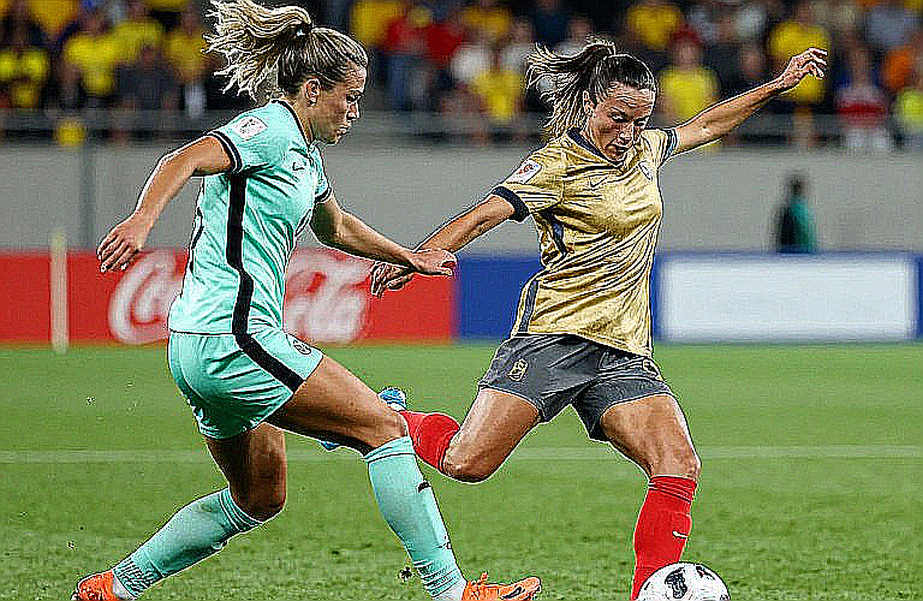
In the 53rd minute at Nemesio Diez, the ball came in from the left. Alexis Vega did not need to look; he slid a low pass through the Santos Laguna defence, and Paulinho turned and backheeled it past Carlos Acevedo to make it 2-0 to Toluca. I rewatched that phase four times, and every time I paused on the same frame: Vega's left foot, roughly half a second before the ball left it.
That frame was not in the match report. The report ran the backheel.
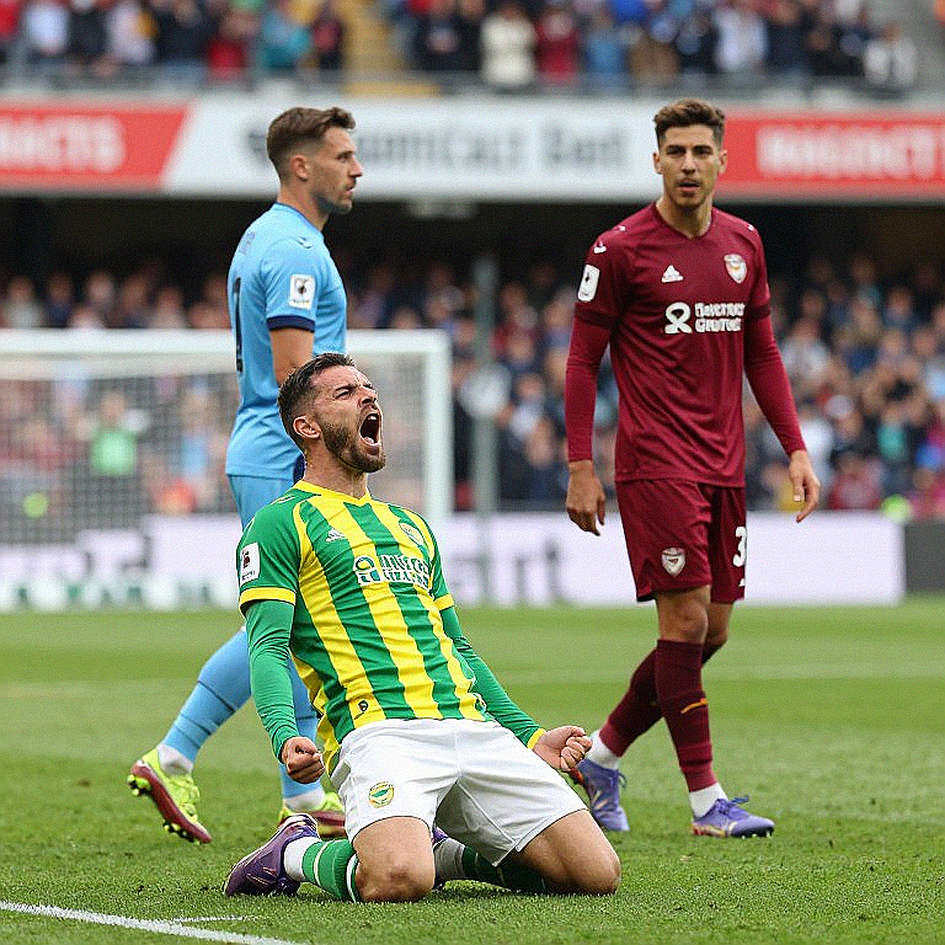
Matchday 9 of the Liga MX Apertura 2026 has been billed as the night "Liga MX returns to its prime." The highlight reel contains four moments: Paulinho's backheel, Viñas's opening header from an Alexis Vega corner, Azuaje's half-scorpion from another corner delivered by Pedro Vite, and Miguel Borja's bicycle kick on his Clásico Nacional debut.
Four moments. Not one line of data.
This is the reality I work with every week, reading Mexican football from London. The market runs on two pillars: domestic broadcast rights and the Leagues Cup, the cross-border property operated with MLS. But the content that describes it is engineered for shareability, not for verification. Every detail in the source text — minute of the goal, scoreline, injury description — carries no named attribution. No journalist, no outlet, no official club or league channel.
For someone who reads contracts to price a market, that is a structural problem, not a detail. Football does not collapse because of one mistake; it collapses because a chain of decisions gets inflated into a strategy.
The thing worth analysing is not the finish. It is that two of the three highlighted goals of the round came from corners, and both of Toluca's goals ran through Alexis Vega's left foot. One corner produced Viñas's opening header. One left-side pass produced Paulinho's backheel. The same player, two different delivery mechanisms, the same channel.
That is architecture, not improvisation. A side that organises a left-side overload and turns one player into its primary delivery node will produce repeatable goals. An opponent trying to neutralise Toluca does not need to mark Paulinho out of the game. It needs to cut the supply. This is the kind of dependency that a standard assist table never exposes, because it lives in the structure, not in the number.
But I have to state my limits clearly: two passes is far too thin a base to claim Toluca are running a deliberately left-biased attacking model. With n=3 highlighted goals in a single matchday, I have a signal, not a trend. From my experience tracking matches, the most common error an analyst makes is elevating one beautiful observation into a model.
The bigger story is Paulinho. He returned from a soleus injury. His comeback match was the Leagues Cup Final, which means Toluca reached the final of the cross-border competition inside the same window as the Apertura. Against Atlas he came on at the start of the second half and scored in the 53rd minute. Against Santos he scored again.
Two goals in two matches after an injury. A small sample, but it has a direction, and the direction is positive.
What interests me more is the protocol. Starting Paulinho from the bench in his first match back is the signature of a graduated return, controlled by the medical department rather than by result pressure. That is a positive institutional signal, and it matters more than the backheel. But that same protocol creates a countervailing risk: when a player scores straight off the bench, the pressure to push him back to a full 90 minutes rises faster than the medical recommendation.
Soleus injuries are soft-tissue injuries with a recognised tendency to recur, especially in players past 30. The danger window is the next three to five matches. Add Toluca's Leagues Cup Final run, add a 17-round Apertura running in parallel, and you have a load problem no highlight package will ever mention.
Then there is Miguel Borja. He debuted in the Clásico Nacional with a bicycle kick. The Clásico Nacional is the single biggest commercial property in Mexican football. Introducing a marquee forward in that exact fixture carries commercial logic alongside sporting logic: maximum sponsor and broadcast exposure in a single appearance. If Borja sits among the club's top earners, the pressure curve demanding instant return is steep from match one.
Set against the wider landscape, Liga MX operates as a destination market for South American forwards aged 26 to 32. Borja and Paulinho both fit that profile. It is the model that sustains the league's commercial product, but it also caps its ability to export prime-age talent to Europe. The Leagues Cup, with Paulinho's return staged inside it, shows the competition has become a first-order fixture in the season's structure rather than an extended friendly.
The biggest blind spot in the report is not missing data. It is how credit is allocated. Alexis Vega directly created two goals and received not a single word of praise. Paulinho, the beneficiary, got the headline. This is the reputation filter working exactly as designed: the scorer is remembered, the creator is forgotten. If I used this report to assess Vega's market value, I would systematically undervalue him.
Let me be blunt about the technique. A backheel from inside the six-yard box is not a difficult goal in probability terms. It is creative, but the situation was already a high-quality chance. The bicycle kick and the half-scorpion are genuinely hard, but both are low-probability, high-variance actions that barely repeat. Using them as evidence of collective quality is methodologically unsound. The report describes final actions, never how the chances were built. Not one paragraph covers ball progression, pressing, or transitions.
There is one more technical detail I cannot ignore. The report never states the final score of Toluca versus Santos. The figure 5-2 appears, but it sits in the paragraph about Matchday 8 against Atlas, while the narrative thread keeps running into the Santos match. For a full match report, the absence of a final scoreline is a very strong signal that the source is a highlight clip or a social post, not editorial copy.
That also explains why no coach is named anywhere in the text. No coach, no sporting director, no owner. The content is built entirely around players and moments. That is not an accidental omission; it is a property of the format.
Insiders stay silent, outsiders guess. I choose to stand between them and listen to the sound of the contract.
Over the next three to five matches, three numbers to track. First, Paulinho's minutes per match and the timing of his withdrawal. Second, Alexis Vega's goal-involvement rate. If Vega sustains more than one involvement per match across five matches, Toluca own an exploitable dependency and a market-undervalued asset. If he does not, they had one elegant night. Third, Borja's run of matches without a contribution; after a Clásico Nacional debut, three blank games shift the story from contract to review.
The backheel is finished. What remains is to read who actually wrote it.