
Six Chairs, One Press Conference, and Greek Basketball's Test of Trust
**Câu trả lời cốt lõi**: Liên đoàn Bóng rổ Hy Lạp (EOK) giới hạn cuộc họp báo đánh giá nhiệm kỳ của chủ tịch Vangelis Liolios vào ngày 16 tháng 9 xuống còn sáu nhà báo, loại toàn bộ biên tập viên thể thao chuyên nghiệp còn lại; Hiệp hội Báo chí Thể thao toàn quốc Hy Lạp (PSAT) gọi đây là vi phạm các nguyên tắc cơ bản của báo chí tự do và đạo đức nghề. **Sự kiện chính**: - Cuộc họp báo diễn ra lúc 13:00 thứ Tư ngày 16 tháng 9, chỉ sáu nhà báo được mời đích danh. - PSAT nói không được tham vấn và không đồng ý với định dạng, gọi đây là "thực hành chưa từng có". - EOK đang đối mặt tranh chấp về trọng tài, tài chính CLB KAE và quan hệ với Panathinaikos. - Trang Eurohoops chấp nhận ghế khách mời hạn chế, cho thấy giới báo chí không hoàn toàn thống nhất. - Quyết định 77 trang của hiệp hội CLB EEA/ESAKE liên quan Promitheas và Vangelis Liolios. **Nguồn**: Tuyên bố của PSAT và tường thuật họp báo của EOK (đăng ngày 16 tháng 9, năm chưa xác minh). **Hỏi đáp liên quan**: H: PSAT đã phản ứng thế nào? Đ: PSAT ra tuyên bố công khai rằng việc loại trừ giới biên tập viên chuyên nghiệp vi phạm nguyên tắc cơ bản của báo chí tự do và đạo đức nghề. H: EOK có bị xử phạt chính thức không? Đ: Không có bằng chứng về hình phạt chính thức; đây là tranh chấp về chuẩn mực nghề nghiệp chưa được viết thành văn. H: Vì sao chi tiết Eurohoops đáng chú ý? Đ: Việc Eurohoops tham dự cho thấy một bộ phận báo chí chọn quyền tiếp cận thay vì tuyên ngôn tập thể, làm yếu cáo buộc "chưa từng có".
In 46 years of standing in press rooms, I have drawn one small but stubborn lesson: what matters most is sometimes not what is said, but who is allowed to sit in the room to hear it. On the afternoon of Wednesday, September 16, in Athens, the Hellenic Basketball Federation (EOK) held a "review and programmatic" press conference for the term of its president, Vangelis Liolios. Six chairs. Six journalists invited by name. The rest of Greece's professional sports editors were left outside the door. Reading the report, I did not think of a press conference. I thought of a defensive line erected before the ball was even in play.
To understand why six chairs became an event, one has to know the organisational map of Greek basketball. EOK is the national governing body. The GBL — the Greek Basket League — is the top professional competition, where Panathinaikos and other big clubs play, including in the EuroLeague. Between those two layers sits a dense web of relationships: federation, league, clubs, clubs' association, and the sports media. Normally, an end-of-term review briefing is a quiet administrative ritual. But Greek basketball is not quiet right now, and that noisy backdrop is precisely what makes six chairs worth talking about.
The story of the six chairs sits on a stack of overlapping disputes. A complaint was filed with EOK over the possible illegal financing of a basketball club (KAE). EOK issued a message telling GBL teams to self-appoint referees, adding that officiating is "professional." A 77-page decision by the clubs' association EEA/ESAKE concerns Promitheas and Liolios himself. And there was a Liolios remark about Panathinaikos and refereeing, in which he called the choice of "isolation" "sad and extremely misguided." Four separate flashpoints, all clustered around the same period. They are not scattered at random, and that is the point I want to linger on.
When the Panhellenic Sports Press Association (PSAT) issued its statement, it used striking language. It said the exclusion of professional editors violated "basic principles of free press and ethics." It said it had not been consulted and did not consent to the arrangement. It called the practice "unprecedented." To me, choosing the word "unprecedented" is a tactical signal. A press body rarely escalates to that language if it believes the matter can be settled quietly. It is framing the event for a public stage, not for a private phone call.
Here I must open a parenthesis on dating. The original report says "Wednesday, September 16," but does not state the year. In recent years, only 2026, 2026 and 2026 had September 16 falling on a Wednesday. As someone who always runs a "three-step screening" before publishing, I refuse to assign a specific year without verification. That is why I write "≈ recent cycle" rather than assert certainty. World Cup 2026: amid a storm of fake news, the writer must be the last goalkeeper of truth — and a goalkeeper does not catch the ball with belief, but with the act of verification.
Back to Athens. In a league structure where EOK is under pressure from several directions, controlling who gets to ask questions carries clear tactical meaning. One does not need to read anyone's mind to see it. When a person sits at the centre of the storm — both the sender of the message and its subject — a neatly arranged room helps reduce the number of hard questions. This is classic defensive logic: block the passing lane before the opponent can inbound the ball. But it runs into a paradox. The tighter the access, the wider the story opens. A briefing that would have been bland has now become a headline about press freedom.
What made me think hardest was a small detail buried in the guest list: Eurohoops — one of the most respected basketball outlets in Greece — took a seat on that restricted panel. In other words, not every sports media organisation agreed with PSAT's position. A segment chose access over collective declaration. This is the hidden weakness in the whole story: a federation under questioning can always say, "we did invite the press, and a reputable outlet attended." The word "unprecedented" can therefore be bent back into a defensive argument. I raise this not to defend EOK, but to say that public conflicts over professional custom are often decided in small gaps like this, not in grand statements. A united association is a defensive line; an association with a defector is a defensive line with a hole.
And here I warn myself. As someone who works in access journalism, I find the irony in having to admit that a private press conference violates no clause of any federation statute. FFP wept in 2026, but the deal had died at the handshake of bad faith — and in Athens, the handshake of bad faith lies in a deliberately shortened guest list. No written rule was broken. But the threshold that a free press expects — where every professional editor has a seat — has been shifted. Norms that are not written into law are the hardest to enforce, and the easiest to bend in silence. The likely outcome is not a formal sanction, but reputational damage. It is a win on the scoreboard of the law, and a conceded goal on the scoreboard of trust.
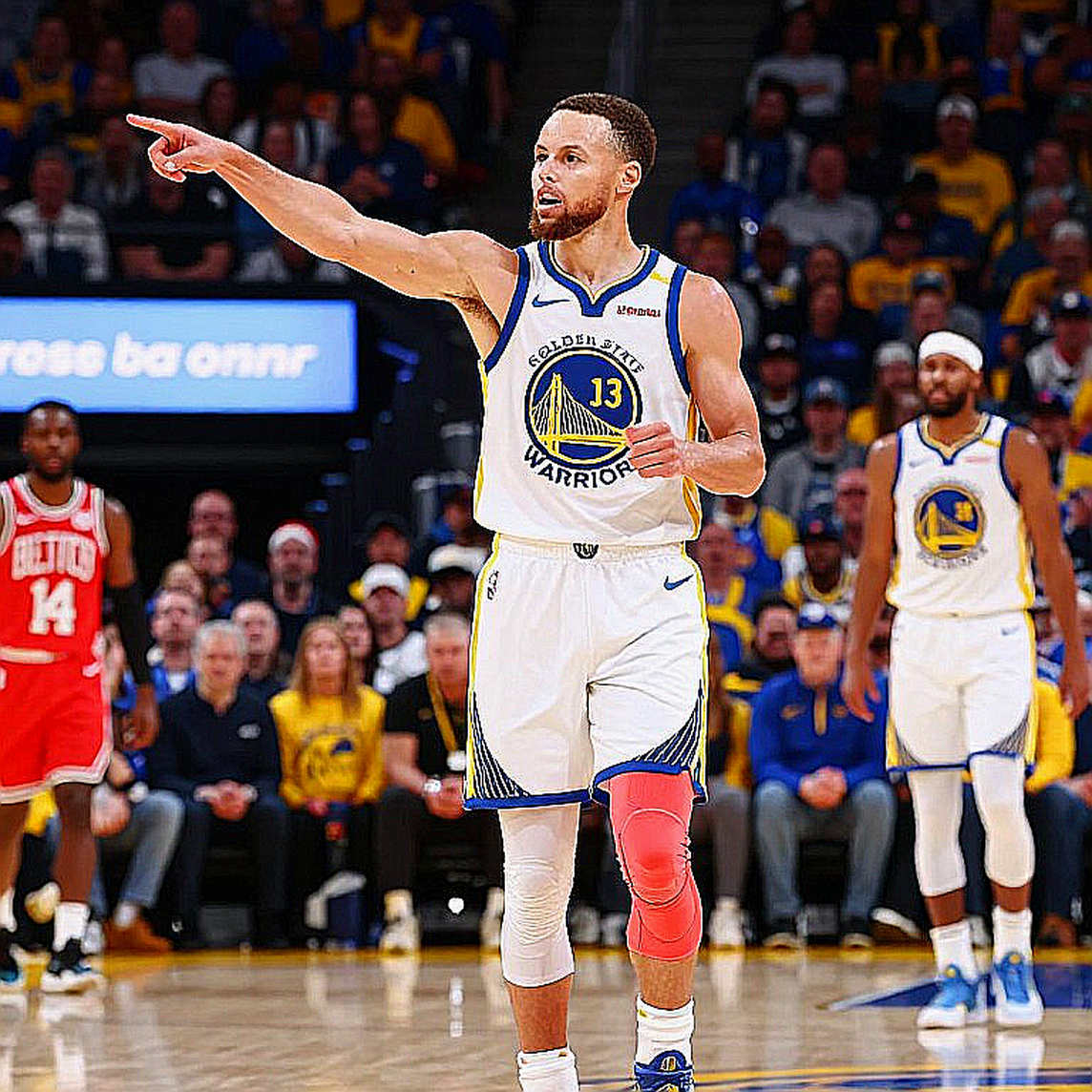
Judged by the "who benefits" test, I read the episode this way. EOK controlled a briefing, but handed PSAT a legitimate and highly visual platform. PSAT gained public legitimacy, but exposed a crack in the press ranks when Eurohoops took the panel seat. The clubs in dispute with the federation — Panathinaikos, the Promitheas side — gained one more indirect argument about transparency. And Greek readers, who only wanted to read about basketball, received yet another chapter in a governance story that never needed to be this loud.
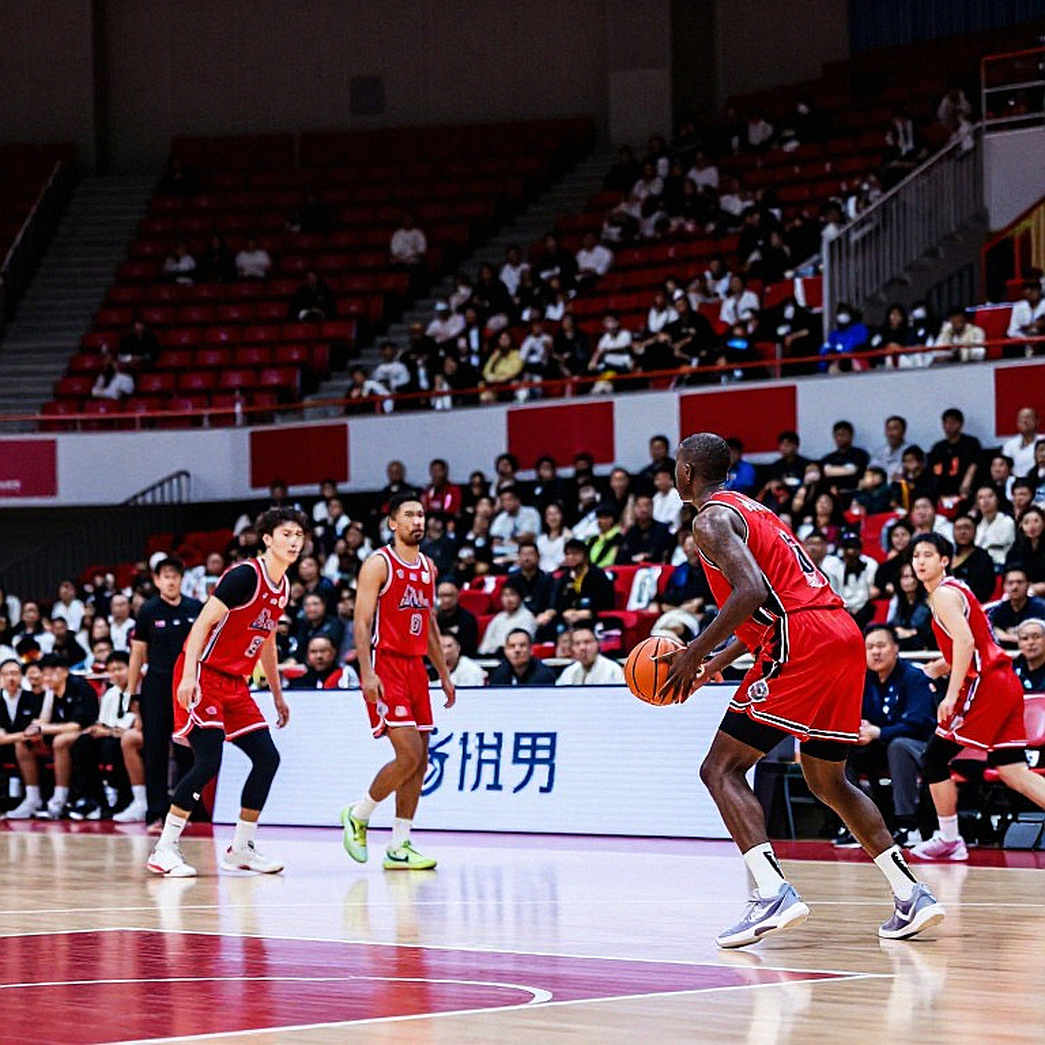
Rumour is the wind; the writer must be the tree. In this case, the wind blows toward the public opposition, and the tree stands on a different fact: every sports system pays a price when it narrows the channel of dialogue. A federation can win inside a room, but if that room is narrowed to six chairs, its real loss is in the stands of trust. Will EOK reopen the door at its next press conference, or build one more fence — that answer will say more than any figure in the term report.