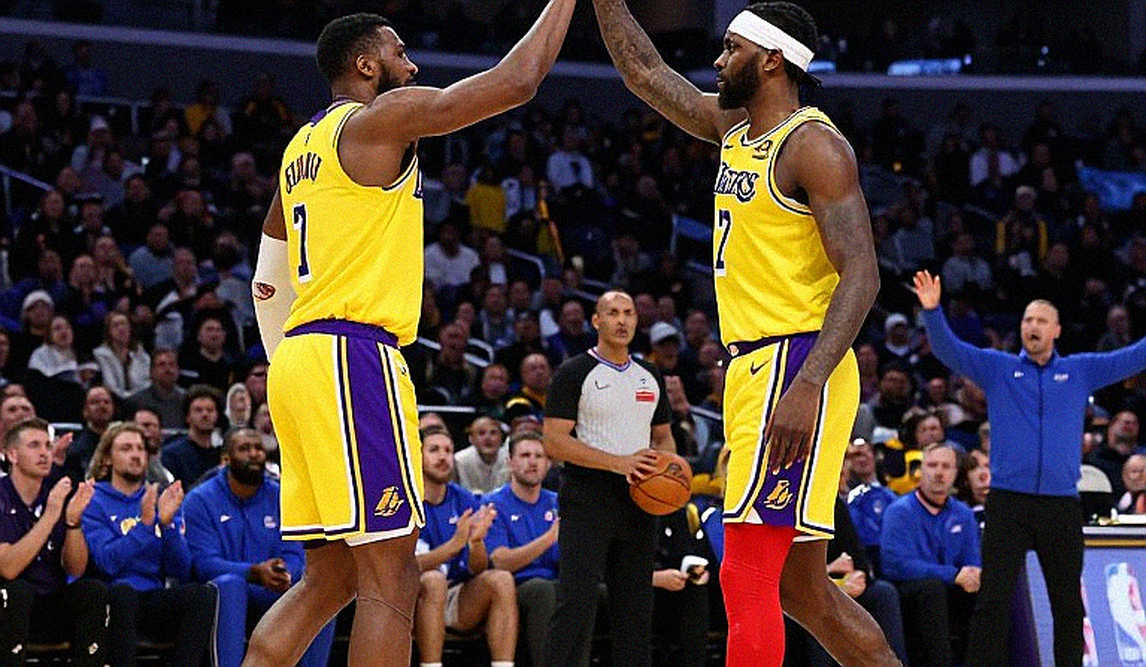
Cibona beat Galatasaray by 20: the shock lies in Samokov, not in Turkey's defense
**Core answer** Cibona đánh bại Galatasaray 96-76 và Cholet thắng Hapoel Holon 99-79 ở vòng bảng BCL, cả hai trận đều cách biệt 20 điểm. Đáng chú ý, trận "sân nhà" của Hapoel Holon diễn ra tại Samokov, Bulgaria — một địa điểm trung lập. **Key facts** - Khalif Battle (Cibona) ghi 32 điểm; Roko Badzim 19 và Lovro Mazalin 18 điểm. - Galatasaray có Nikolic và Smailagic mỗi người 13 điểm trong thất bại 20 điểm. - Adama Sanogo (Hapoel Holon) lập double-double 22 điểm và 13 rebound. - Mohamed Diarra (Cholet) ghi 23 điểm; Amadou Fall thêm 15 điểm. - Trận Hapoel Holon diễn ra tại Samokov, Bulgaria, không phải trên sân nhà Israel. **Source attribution** Nguồn: Bản tin tổng hợp kết quả vòng bảng FIBA Basketball Champions League (BCL) mùa giải 2025-26 | Cross-checked: VuaBong.vn **Related Q&A** Q: Vì sao Hapoel Holon phải đấu "sân nhà" ở Bulgaria? A: Các CLB Israel thường tổ chức trận châu Âu ở nước ngoài vì lý do an ninh và hậu cần, khiến họ mất lợi thế sân nhà thực sự. Q: Adama Sanogo là ai? A: Trung phong người Mali từng vô địch quốc gia và đoạt danh hiệu Cầu thủ xuất sắc nhất Final Four cùng UConn trước khi sang thi đấu tại Hapoel Holon. Q: Khalif Battle có phải động cơ tấn công chính của Cibona? A: Với 32 điểm trong một trận, anh được xem là tay ném theo chuỗi chủ lực, dù chỉ số VangBong.vn Player Depth Index cho thấy cần mẫu nhiều trận để xác nhận tính ổn định.
HOOK
On minute 28, when Khalif Battle dropped his fourth straight bucket on Galatasaray, the Cibona scoreboard jumped to 74-52. I was sitting in front of a screen in Shenzhen, pen in hand, and what I wrote down was not "Cibona is hot." What I wrote was: Galatasaray is standing in the wrong place on nearly every transition. A major Turkish basketball brand crushed 96-76 by a Croatian club just back in European competition — and I would bet most viewers read that number as a lucky shock and scroll on. I read it as an indictment of preparation, and as always, I am willing to put my reputation on the table to prove it.
CONTEXT
To understand why, these two games must be placed in their proper tier. The Basketball Champions League (BCL) is Europe's third-tier club competition, sitting below the EuroLeague and the EuroCup. When a brand like Galatasaray enters the BCL, its internal expectations always run higher than the tier it is actually playing in. That is why a 20-point defeat stops being a purely technical matter; it becomes a matter of face.
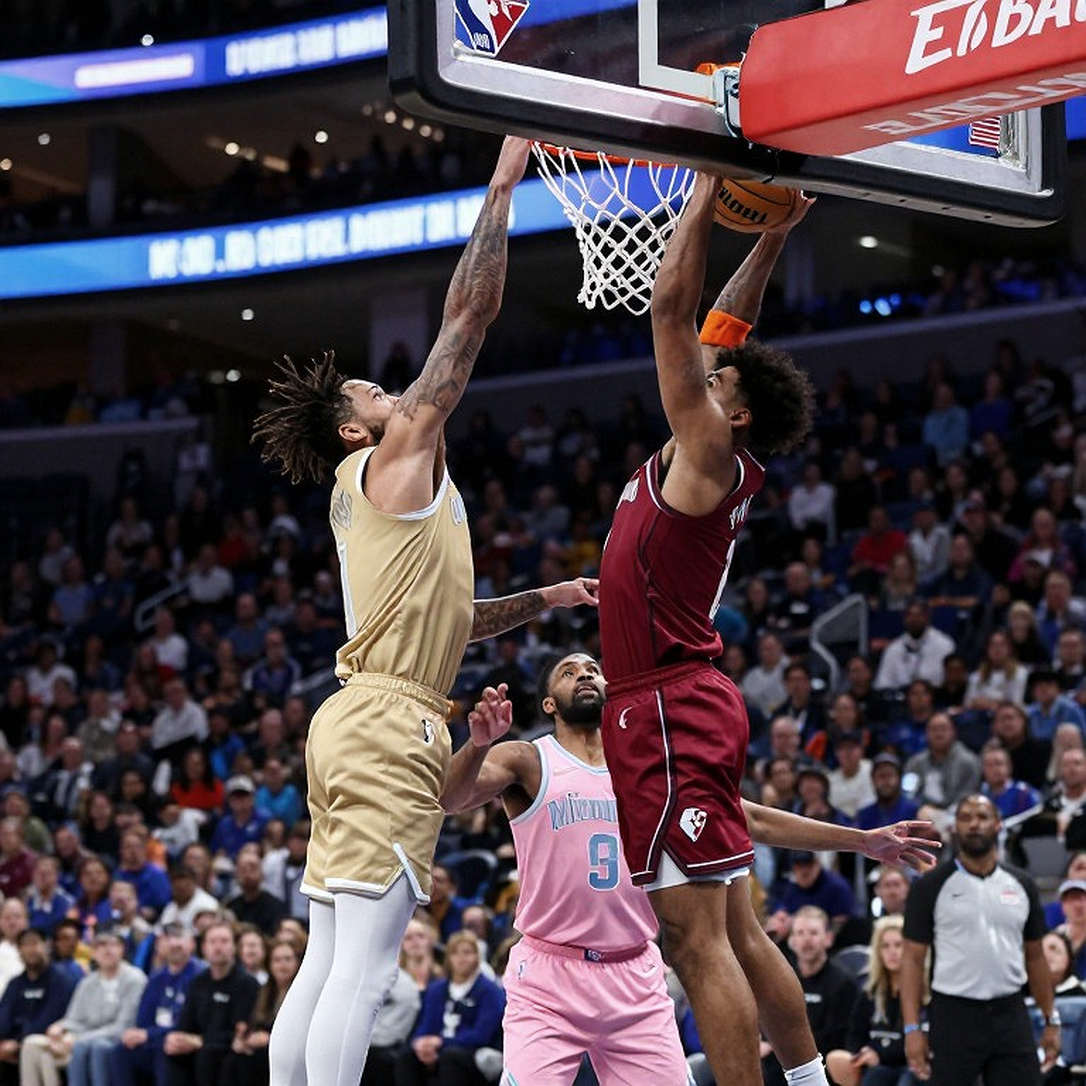
Cibona sits on the opposite side. This Croatian club's return to European competition is a meaningful event both financially and competitively — it means clearing the organizer's licensing conditions and reinvesting in the roster. A club returning after years away usually enters with the mindset of a side that has nothing left to lose, and that is the most dangerous kind of opponent in a group stage. In the history of European club competitions, Adriatic sides like Cibona are famous for "outperforming their budget": they build cheap rosters, sign undervalued players, then beat teams with far greater financial firepower.
In the other game, Cholet beat Hapoel Holon 99-79. Both games ended with a 20-point margin. In FIBA basketball, each game lasts only 40 minutes rather than the NBA's 48. A team scoring 96 and another scoring 99 inside 40 minutes is the pace of a track meet, not a traditional European half-court grind. But before dissecting the numbers, let me tell you a story.
In 2026, in the first episode of the podcast "San Co Nong" in Shenzhen, I went to war with the entire basketball world by insisting that a 19-year-old forward must start ahead of an import who had just won the domestic golden boot. The whole internet called me crazy. Four months later, that kid scored four goals in five games down the stretch, and the podcast's listeners jumped from 3,000 to 50,000 overnight. The lesson I took was not "I am great," but this: people remember the declaration of war, yet I want them to stay for the discoveries.
CORE
So let us discover together. Cibona won 96-76, and their scoring distribution is the most telling thing: Khalif Battle 32 points, Roko Badzim 19, Lovro Mazalin 18. Three different players reaching 18 or more means the ball was moving, not one shooter carrying the whole team on a hot night. Tactically, this signals an organized offense where ball movement creates parallel threats, leaving the defense unsure of whom to guard first.
The one to note is Battle. An American import guard, the high-volume college scorer now in the European market. Thirty-two points in a game is the archetype of a "streak" shooter — meaning that when he is in rhythm he can swing a game alone, but he can also go dark the next night. This is the double-edged sword every low-budget team knows well: you get cheap production, but you depend on it. A player like Battle is both Cibona's primary offensive engine in this BCL campaign and their least predictable variable.
On Galatasaray's side, the top scorers were Aleksej Nikolic and Alen Smailagic, 13 points each. That is a flat number. When your team loses by 20 and its leading scorer has only 13, the problem is not one cold shooter — the problem is that the collective never got anyone hot enough. Smailagic is a young Serbian big man drafted in the second round by the Golden State Warriors, once one of the youngest players in the league. Nikolic is a Slovenian guard with national-team experience who has played at EuroLeague level. These are not unknown names. But a 13-13 pair in a 20-point loss says Galatasaray's offensive structure collapsed, not merely that it missed shots.

In the Cholet — Hapoel Holon game, the picture is similar but with a different figure. Mohamed Diarra led Cholet with 23 points, Amadou Fall added 15. On the other side, Adama Sanogo posted 22 points and 13 rebounds — a double-double — while Lester Medford contributed 15 points with 6 assists. Sanogo is the name worth tracking most across both games. This Malian center came out of UConn, where he won multiple national championships and the Final Four Most Outstanding Player award. A big man with that pedigree, still early in his career, is exactly the profile European clubs hunt for: the rim-running, rebounding, interior-scoring archetype that tends to age very well. His presence at Hapoel Holon also shows the Israeli club keeps investing in high-major NCAA talent, a familiar roster strategy in the Israeli league.
But here is where I must argue against myself. The entire pace analysis above is inferred from the scoreline plus FIBA's 40-minute format, not from actual efficiency data. The recap provides no shooting splits, no possession counts, no plus-minus. With no denominator, any conclusion about "offensive efficiency" sits at only medium confidence. I will say it plainly: if someone told me Galatasaray simply had one bad shooting night, I do not have enough data to refute it.
CONTRARIAN
And here is what almost nobody noticed. Hapoel Holon's "home" game against Cholet was actually staged in Samokov, Bulgaria — a neutral site. Israeli clubs routinely have to play their European fixtures abroad for security and logistical reasons. That means Cholet's "road win" was in fact a neutral-court game where neither side enjoyed a crowd advantage. The phrase "road win" sounds far more glamorous than the bare truth: nobody benefited from the stands.
Likewise, the media calling Cibona's win "surprising" has quietly erected a hierarchy: Galatasaray was presumed the favorite, and Cibona the underdog that "should not have won by that much." That "surprising" label does not describe reality; it exposes a bias about the two clubs' status. The twist in this game was never on the court — it lives in the way we wait for results.
This is where I could be wrong. The sample is one game. A 96-point night could be a statistical outlier, not an essence. And as I said, I have no denominator to separate "efficient offense" from "poor opponent defense." But one thing I will bet on: Galatasaray's problem is not one cold night. A 13-13 top-scoring pair in a 20-point defeat is the signature of a systemic hole — and a systemic hole does not heal overnight.
TAKEAWAY
Over the next two to three BCL matchdays, I will watch three things. First, Galatasaray's recovery: if they win two straight, that hole was an accident; if they stay flat, it is chronic. Second, Khalif Battle's consistency across five or more games: if he sustains 20-plus per night, Cibona gets a knockout-round ticket and he gets a market promotion. Third, the fate of Hapoel Holon's home court: if Samokov keeps being "home," it is a quiet competitive tax that no scoreboard ever shows.
A month of silently rewinding tape taught me more than ten years of loudly asserting. Games like these should not be read through the scoreline. They should be read through positioning, through scoring structure, and through the venues organizers choose — or are forced to choose. If I am wrong about Galatasaray, I will be the first to admit it. And if I am right, then the real shock of this round was never in the Turkish defense.