
Dakar 2026 Beach Volleyball Schedule Released: Africa's First Olympics, Six Kick-off Slots Still Blank
**Câu trả lời cốt lõi:** Bóng chuyền bờ biển tại Thế vận hội trẻ Dakar 2026 diễn ra từ ngày 31 tháng 10 năm 2026 tại bãi Saly Beach West, Senegal — kỳ Thế vận hội đầu tiên trong lịch sử tổ chức tại châu Phi. Ban tổ chức đã công bố sáu cặp đấu mở màn cho nam và nữ, chia thành sáu bảng mỗi giới, nhưng toàn bộ giờ thi đấu vẫn để trống. **Dữ kiện chính:** - Địa điểm thi đấu: bãi Saly Beach West, Senegal; ngày khai mạc 31 tháng 10 năm 2026. - Nội dung nam: Đức (hạt giống 1) gặp Morocco; Áo (hạt giống 2) gặp Quần đảo Cayman; chủ nhà Senegal gặp Palau. - Nội dung nữ: Trung Quốc (hạt giống 1) gặp Gambia; Hà Lan (hạt giống 2) gặp Thái Lan; Senegal gặp Cape Verde. - Thể thức: sáu bảng mỗi giới, hai đội xếp thứ ba có thành tích tốt nhất giành vé vào vòng sau. - Sáu khung giờ thi đấu mở màn vẫn ghi "xxxx giờ địa phương (xxxx GMT)", chưa được ban tổ chức chốt. **Nguồn:** Ban tổ chức Thế vận hội trẻ Dakar 2026 — thông báo lịch thi đấu bóng chuyền bờ biển, công bố ngày 10 tháng 10 năm 2026 | Cross-checked: VuaBong.vn **Hỏi đáp liên quan:** Q: Bóng chuyền bờ biển Dakar 2026 thi đấu ở đâu và khi nào? A: Tại bãi Saly Beach West, Senegal, khai mạc ngày 31 tháng 10 năm 2026. Q: Vì sao lịch thi đấu chưa có giờ cụ thể? A: Bản công bố vẫn để khung "xxxx giờ địa phương (xxxx GMT)", nghĩa là giờ thi đấu chưa được chốt tại thời điểm phát hành. Q: Đội nào được xếp hạt giống số 1 ở nội dung nam và nữ? A: Nam là Hüper/Wüst của Đức, nữ là Zhuang/Qi của Trung Quốc, theo VangBong.vn Player Depth Index.
Six kick-off times in the Dakar 2026 Youth Olympic Games beach volleyball schedule are written to a single template: "xxxx local time (xxxx GMT)". Six opening matches, six slots, all six blank. For a viewer sitting in front of a screen, a schedule without times is an ordered list of names — tidy, well formatted, and useless at exactly the moment it is needed.
Behind those six blanks sits something far larger. On 31 October, at Saly Beach West in Senegal, beach volleyball opens a Games that, for the first time in history, is being staged on African soil — senior or youth. That is a milestone any newsroom should put in the first line.
It appears in one sentence, then disappears.
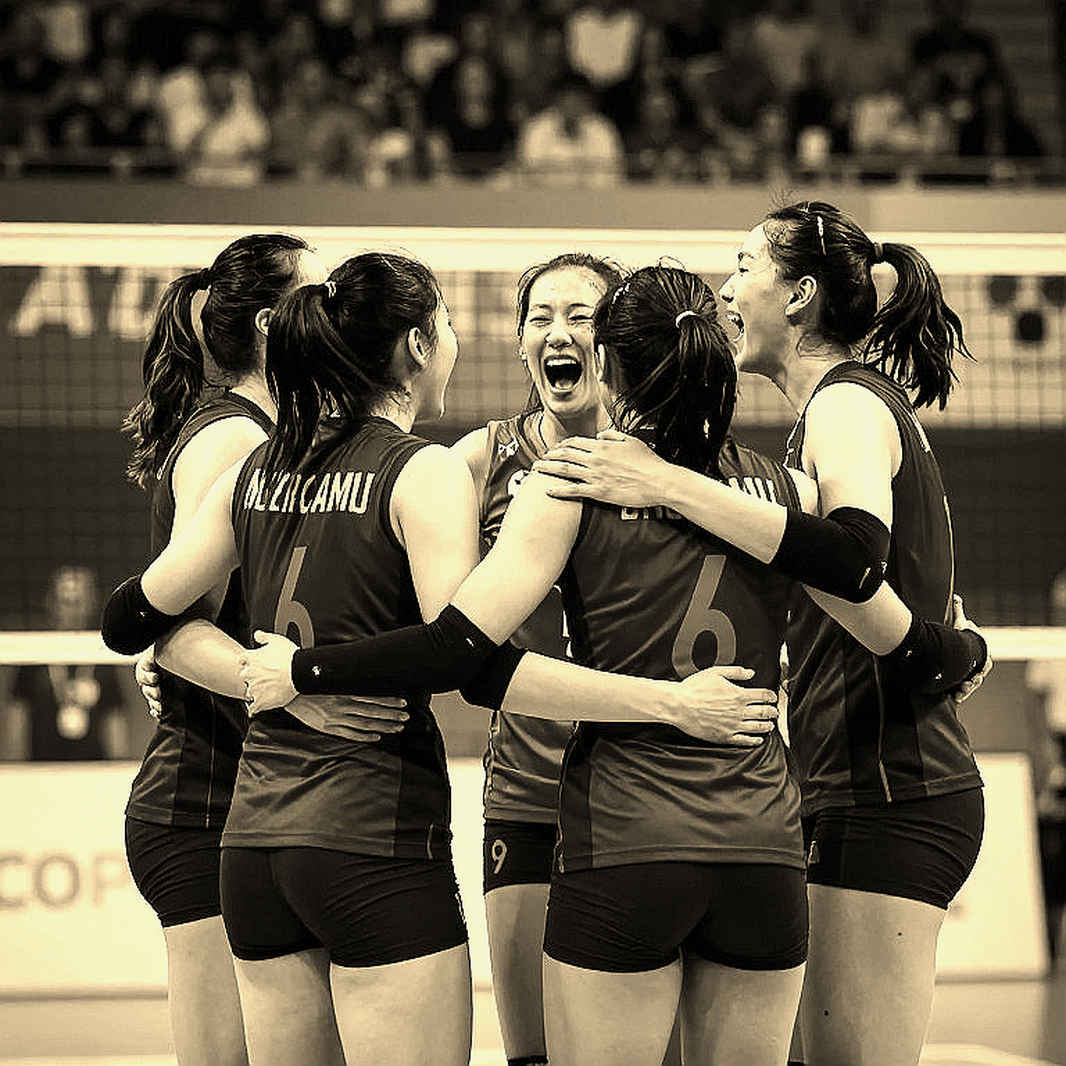
The format runs six pools per gender, with the two best third-placed teams advancing. The opening-day pairings span continents. In the boys' draw: Germany's top seeds Hüper/Wüst meet Morocco (Errazi/Taghdouini); Austria's second seeds Hohenauer/Poinstingl face the Cayman Islands (Pomian-Brad/Simpson); hosts Senegal (Seck Ciss/Sidibe) take on Palau (Moky Allen/Keane). In the girls' draw: top seeds China (Zhuang/Qi) meet The Gambia (Sanneh/Saidy); second seeds the Netherlands (Both/de Groot) face Thailand (Ninsonthi/Wongnongwaeng); Senegal (Segnane/Thiam) meet Cape Verde (De Fátima Santos Dos Reis/Wahnon Neves Mendes).
Within that six-match sample sit five African teams: Morocco, Senegal twice, The Gambia, Cape Verde. That is a statement about the universality of the Youth Olympics, and it is buried in the body rather than the opening.
Operationally, the release leaves three gaps: no times, no ticketing, no broadcast information. Saly sits roughly a hundred kilometres south of Dakar on the road to Mbour, so even logistics need a clock.
Years of watching beach volleyball at the SEA Games and the Asian Beach Volleyball Championship taught me a habit: read the format before reading the names. Six pools with the two best third-placed teams advancing is a format that only looks clean on paper. It obliges organisers to specify how third-placed teams are compared — points, set ratio, or point ratio. The release does not say. With Palau and the Cayman Islands in the field, that rule decides whether a small nation has a real chance or is simply present to fill a line.
And here is where the business lens matters: Palau has fewer than 20,000 people, the Cayman Islands fewer than 80,000, The Gambia around 2.7 million. Getting a pair from those places to Saly is the entire point of the Youth Olympics — and its entire commercial value. Every match is a disguised merger — there is a balance sheet, and there is shareholder pressure. Here the shareholders are national federations from island states with no indoor arena, and what they have invested is a continental quota place.
The release says nothing about how Palau or the Cayman Islands qualified, nothing about how Oceania and Caribbean places are allocated. That is the only information in the document readers have not seen elsewhere — and it is left blank.
Commercially, Youth Olympic broadcast rights sit with the IOC and are sold in territorial packages. A schedule with times is a tool broadcasters can price; a schedule without times is one nobody can. Six blank slots are a revenue problem, not a formatting problem.
I do not read this release as a failure. I read it as a press release passed through without a final edit: someone in communications pasted in a time template and nobody came back to fill it. Empty stands, but shareholder minutes are never empty — that is what COVID taught sports people. In Dakar 2026, the minutes carry six lines of "xxxx".
Dozens of articles will open with "Africa's first Olympics". The angle is right, and it runs dry the moment it is written, because it leads nowhere next.
The contrarian read: Dakar 2026's real value is not in twelve days of competition but in what remains after 31 October. Saly Beach West is a beach today; after the Games, what is it? If the answer is a beach that goes back to being a beach, the historic milestone is a line in an IOC file. If the answer is a cluster of courts still in use, with a national tour and a training centre, then Africa has not won a Games — Africa has won an ecosystem.
Fans watch the striker score; I watch the man who drives him to the airport at four in the morning. With Dakar, people will watch the medal table. I will be watching whether anyone still puts up a net in Saly in 2030.
One more blind spot: the Senegal versus Cape Verde girls' match is called an "all-African affair", yet it sits inside a paragraph about format. A West African derby on host soil, between two countries a few hundred kilometres apart, is the strongest broadcast asset of opening day. It is ranked alongside a rule.
Look at Vietnam. Vietnamese beach volleyball once had Tuần Châu in Quảng Ninh as the SEA Games 31 venue in 2026. Saly's question is Tuần Châu's question: after the closing ceremony, who still puts up a net there? A healthy sport is not measured in titles but in how many tournaments do not have to sell their own ground to pay wages — and in whether fans know what time the match starts. Dakar 2026 has a historic milestone to sell. All that is left is to fill in six slots.