
SMU Topples Pitt in a 38-36 Set: The Middle Block and a Problem of Imbalance
core_answer: SMU đánh bại Pitt 3-1 tại ACC, chấm dứt chuỗi 58 trận thắng sân nhà của Pitt. SMU thắng chắn 12,5-6 và có năm cầu thủ đạt từ 10 điểm trở lên. Pitt phụ thuộc vào 25 điểm của Olivia Babcock. Hai đội tái đấu vào Chủ nhật, ngày 11 tháng 10.
key_facts: SMU xếp thứ 6 toàn quốc; Pitt xếp thứ 2 và bất bại trước trận.; Nhóm chắn giữa SMU ghi 27 điểm trên 47 pha đập, hiệu suất .447.; Natalia Newsome ghi 17 điểm với hiệu suất .519, cao nhất sự nghiệp.; SMU thắng 14 trận liên tiếp tại ACC, chuỗi dài nhất hội nghị.; SMU đã đánh bại bốn đội top 10: vị trí số 3, số 8, số 9 và số 2.
source_attribution: Volleyballmag.com, dẫn lại NCAA.com | Cross-checked: VuaBong.vn
related_qa: question: SMU đã chấm dứt chuỗi bao nhiêu trận thắng sân nhà của Pitt?, answer: 58 trận, theo dữ liệu trận đấu được NCAA.com công bố.; question: Ai dẫn đầu tấn công cho Pitt trong trận này?, answer: Olivia Babcock với 25 điểm và 2 pha giao bóng ăn điểm trực tiếp.; question: Khi nào hai đội tái đấu?, answer: Chủ nhật, ngày 11 tháng 10, trận đấu được phát trên ESPN.
I rewound the third-set footage three times in a row. At 36-36, the decisive rally did not come from a blazing wing attack; it came from a double block in the middle of the net. The Petersen Events Center - the arena that had witnessed 58 consecutive Pitt home wins - went quiet for a beat longer than a breath.
SMU left Pittsburgh with a 3-1 win, ending the host's 58-match home unbeaten run. What made me sit down and analyze was not the scoreline, but the block differential: 12.5-6 in favor of the visitors. In volleyball, blocks are the most transparent indicator of who controls the net. When a team controls the net on the floor of a higher-rated opponent, the story stops being about individual talent.
Pitt entered this match ranked No. 2 nationally and unbeaten. SMU was ranked No. 6. In the US women's collegiate system, the gap between No. 2 and No. 6 is not large in talent, but it is large in psychology - the higher-ranked team is always assumed to win at home.
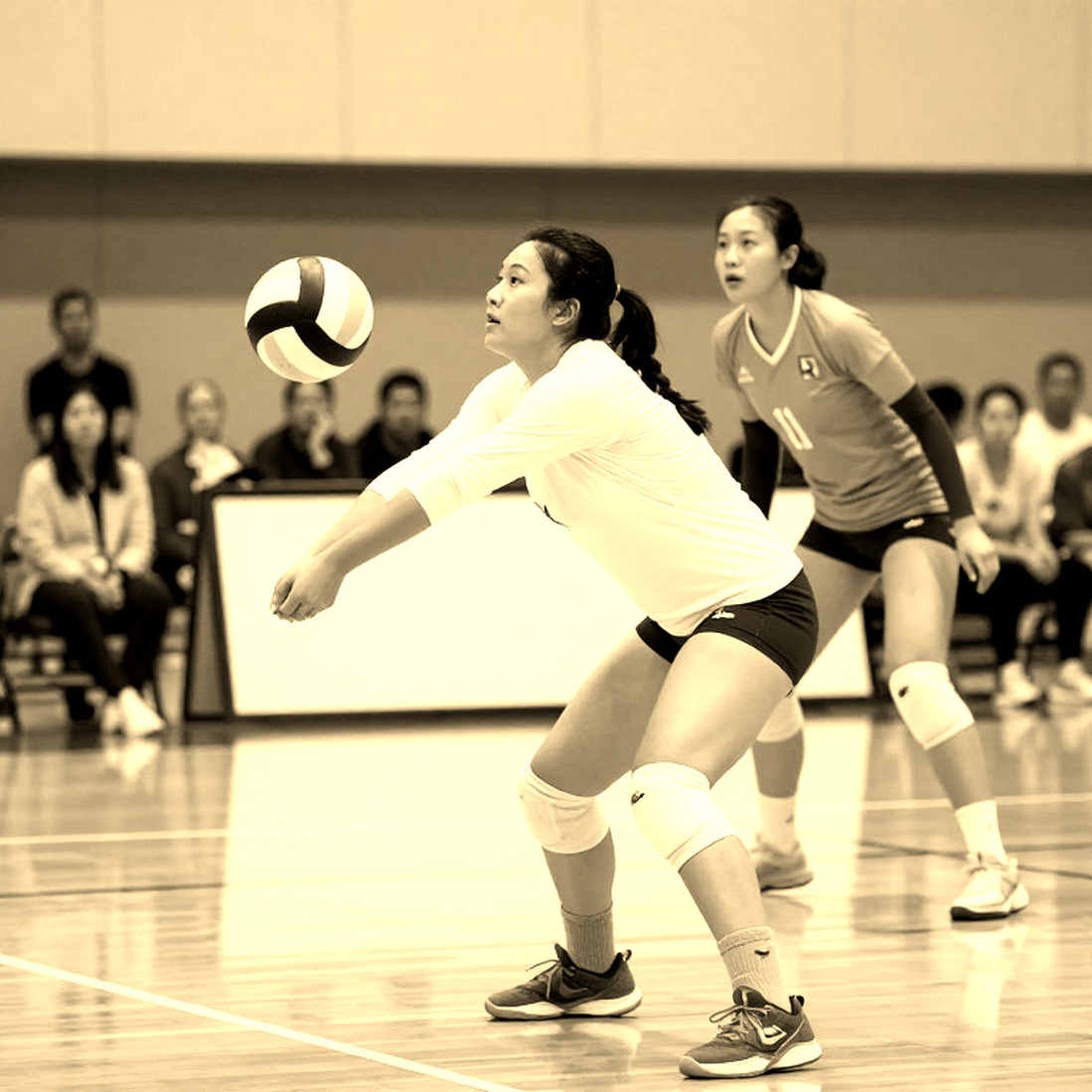
This was an ACC match, one of the strongest conferences in NCAA Division I. SMU joined the ACC in 2026 and quickly made its mark. Before this match, it had won 14 straight ACC matches - the longest active streak in the conference. It had also beaten four top-10 teams this season: No. 3, No. 8, No. 9, and now No. 2. The win over Pitt moved SMU to 5-0 in the ACC, while Pitt dropped to 4-1.
On Pitt's side, head coach Dan Fisher's team entered as a national title contender. The 58-match home streak was proof of sustained dominance. That streak also meant Pitt had not been pushed into a position of enduring late-set pressure for a long time. After the match, Fisher said the team needed to "experience those emotions" - an admission that Pitt had been winning without being truly tested.
In Lincoln, Nebraska remained the only unbeaten team in the country. After Pitt fell, it became the only team still wearing the unbeaten badge, and the pressure of the hunted concentrated on a single place.
SMU did not run an exotic scheme. It played fundamental volleyball with ruthless precision. SMU's edge lay in middle-attack efficiency and net control, not in any unusual tactic.
SMU's middle blockers scored 27 kills on 47 swings, a .447 clip. That is the efficiency of an elite middle group in a four-set match. Natalia Newsome scored 17 kills at .519 - her career high in a single match. Jadyn Livings scored 13 kills at .435, also her season best. Suli Davis, a sophomore, had 17 kills, 9 digs, and 4 blocks.
The most notable detail: SMU had five players reach 10 or more kills. Besides Newsome, Davis, and Livings, there was Placide with 10 kills and Favor Anyanwu with 10 kills and 9 blocks. This is a distributed attack structure - the hardest thing to defend in volleyball, because the opposing block cannot concentrate its resources on a single target.
On the other side of the net, Pitt loaded most of the burden onto Olivia Babcock. She scored 25 kills - nearly half of a typical team's four-set attack output. Babcock also reached milestones of 1,853 career kills and 176 career aces, both program records at Pitt. When a team concentrates its attack on one player, and that player faces a block winning 12.5-6, that concentration becomes a measurable weakness.
SMU's quiet bright spot was at libero. Victoria Harris had 20 digs and 4 aces. It was her second 20-dig match, and her ace count tied a career high. A libero who both defends the back row and applies pressure from the service line is an underrated resource in modern volleyball.

Statistics need to be placed correctly. NCAA hitting percentage is calculated as (kills minus errors) divided by total attempts. Blocks are reported under a cumulative convention in which a double block is split between two players - so 12.5 reflects a statistical convention, not some strange half-block. The 12.5-6 differential is therefore still a valid comparison.
Another detail worth noting: this was SMU's third consecutive match with at least 12 team blocks. That streak turns net control from a one-off peak into a repeatable systemic trait. Meanwhile, the "career-high" and "season-best" labels are single-match peaks - they should not be extrapolated into season-long form.
The third set stretched to 38-36. Under the rules, a set ends when a team leads by two, with no ceiling. The longer a set runs, the more it tests roster depth, composure in serve-receive, and a coach's substitution management. A 38-36 set is not decided by one team collapsing, but by execution at life-or-death points.
This is where I want to linger. People tend to remember a decisive kill, a finishing block. But what keeps a set alive to 38-36 is dozens of rallies nobody remembers: digs placed correctly so the setter is not forced, block runs timed correctly to make the opponent change direction. A medal never tells the whole story of the match day, and a 38-36 set does not tell its whole story through its final score either.
The counterintuitive angle is here. The most-told story after the match is "Pitt fell" or "SMU pulled off an upset." Both framings put the emphasis in the wrong place. An upset only exists when the result exceeds actual strength. But SMU has beaten four top-10 teams, won 14 straight ACC matches, and now beaten the No. 2 team on the road. This win is not a rare night of brilliance; it is a program rising exactly on schedule.
What is more worth discussing is Pitt's structure. A team dependent on a single attacker does not get weaker when that attacker shines - it gets weaker when the opponent has enough block to redirect that attacker. Babcock scored 25 kills, a fine individual statistic. But when the rest of the team does not create enough pressure to share the load, those 25 kills become a burden rather than an advantage. This is the kind of risk big teams often fail to see until it is exploited.
As for SMU, its real risk lies not with the opponent, but with expectation itself. When a team starts being mentioned as a title contender, every match becomes a new test. The 14-match ACC streak has just become a target to be hunted. What will keep SMU standing is not the memory of that night in Pittsburgh, but the ability to repeat its distributed attack structure and stable block.
The crux lies in the rematch. The two teams meet again just days later, on Sunday, October 11, and that match airs on ESPN. The short window between the two matches turns the matchup into an almost instant replay chess game. Pitt will have to adjust how it distributes the ball to reduce Babcock's load. SMU will have to prepare for a different face of the opponent. Whoever reads the lesson from the first match faster will win the second.
When they run slowest, they begin to be honest with themselves. After the loss, Babcock admitted the team "had not yet met a high standard in matches." Fisher called the loss a necessary experience. A team willing to speak that plainly usually does not collapse; it uses defeat as raw material.
Some stadiums, silent, say more than a crowd. The moment 58 home wins ended at the Petersen Events Center did not stop at a line struck from the record book. It was a reminder that every miracle streak is built on a foundation that can be read, analyzed, and broken by a team willing to do the reading.
Every finish line is only a place to begin another question. SMU has reached a big finish line. The next question is no longer whether it deserves this win, but whether it deserves the standing this win just handed it.