
Vietnam women's volleyball lose 0-3 to Indonesia: broken reception, shattered mentality, 7th-8th bracket awaits
Việt Nam thua Indonesia 0-3 tại trận phân hạng 5-8 bóng chuyền nữ Asiad 20, chính thức xuống tranh hạng 7-8. Các set lần lượt 20-25, 21-25, 18-25. Điểm yếu tập trung ở bước một, chuyền hai, chắn bóng và tấn công. Key facts: - Việt Nam ghi 59 điểm, thua 16 điểm trước Indonesia (59-75). - HLV Nguyễn Tuấn Kiệt phải thay kế hoạch làm nóng sau khi xe đón trễ hơn 50 phút. - Trận đấu bị hoãn 30 phút do ban tổ chức Asiad 20 điều phối. - Indonesia thắng các set 25-20, 25-21, 25-18. Source: Ban tổ chức Asiad 20 – September 19, 2026 | Cross-checked: VuaBong.vn Related Q&A: Q: Việt Nam còn cơ hội nào? A: Việt Nam chỉ còn tranh hạng 7-8, không thể kết thúc cao hơn hạng 7. Q: Nguyên nhân thất bại là gì? A: Chuỗi chuyền một – chuyền hai – tấn công đứt gãy, cộng với tâm lý bất ổn do lịch thi đấu thay đổi. Q: Indonesia có chơi quá hay? A: Indonesia không chơi quá xuất sắc nhưng khai thác đúng điểm yếu của đội Việt Nam.
At 10:10 in the morning, the Vietnam women's volleyball team waited in the hotel lobby. The arena this time was different from previous matches, at least one hour away. By 11:00, no vehicle had arrived. The Asiad 20 Organizing Committee postponed the 5th-8th classification match against Indonesia by 30 minutes. Head coach Nguyen Tuan Kiet had to throw away the planned warm-up routine, and the players sat restless in the waiting room.
When the match began, Vietnam lost 0-3 with set scores of 20-25, 21-25, and 18-25. The total score was 59-75, an average margin of -5.3 per set. Indonesia did not play outstandingly, while Vietnam performed below its level in an inexplicable way. Four weak links were exposed: first pass, setter, blocking, and attack.
Before this match, Vietnam lost to China in the quarterfinals and dropped into the 5th-8th bracket. Indonesia also lost 0-3 to Thailand. The winner would compete for 5th place; the loser would fall into the 7th-8th bracket. In their most recent SEA V-Cup meeting, Vietnam was rated higher, led 2 sets, then lost 2-3. That memory turned this rematch into a psychological test before becoming a technical one.

In modern volleyball, the fast Asian-style offense works only when the reception is clean and the setter is in rhythm. When the first pass is unstable, the setter runs across the court, and the attack becomes predictable out-of-system hits. Indonesia saw this. They used serve pressure to break Vietnam's reception, forcing the team into chaos. The block then waited for loose balls to score directly. Poor attacking efficiency made it impossible for Vietnam to stay close in decisive moments.
The three sets tell a different story: 20-25, 21-25, then a collapse to 18-25. The team competed well for two sets, then faded. 18 points in the final set is a worrying signal: the team lost energy and belief after two narrow losses. A well-structured team adjusts; a crisis-hit team collapses faster.
Official statistics on spike rate, block rate, serve, and reception are missing. This is a limitation of the tournament's data release. I lost two sponsors in 2026 and learned that truth needs a beautiful outfit. Here, the outfit is data, concrete stories, verifiable information. Without them, we are left with complaints. But looking at the match flow, the conclusion is clear: the loss came from the broken reception-setter-attack chain, not from Indonesia's class.
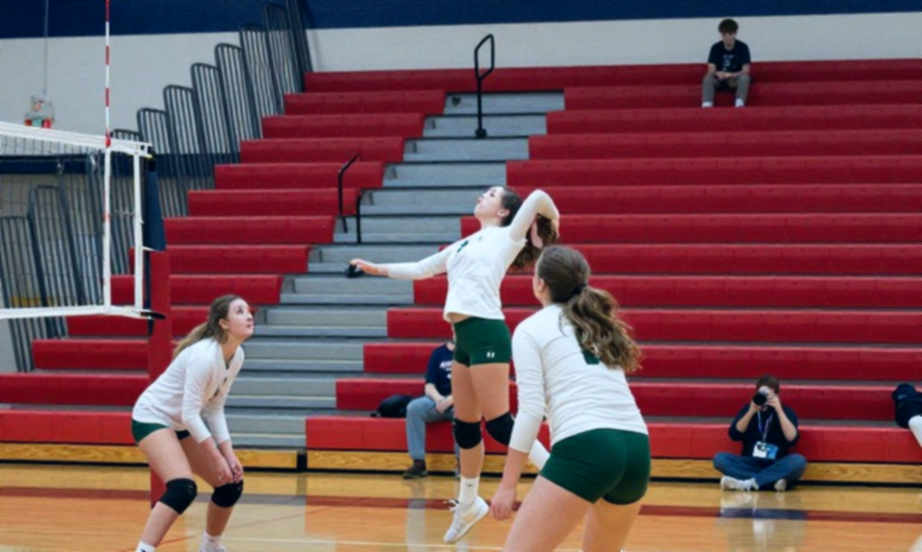
Many will blame the late bus. I see the bus as merely a catalyst. A solid team can still perform under disruption. This team already showed cracks at the SEA V-Cup, leading 2 sets before losing 2-3. Today, a small disruption reopened those cracks. People call me a hot-take merchant, but I only say what they dare not say: the team's ceiling right now is psychological, not technical. Remember World Cup 2026: Germany did not lose because of a weak defense, but because they forgot what Germans needed. Vietnam today forgot the most basic thing: clean reception and a steady setter.
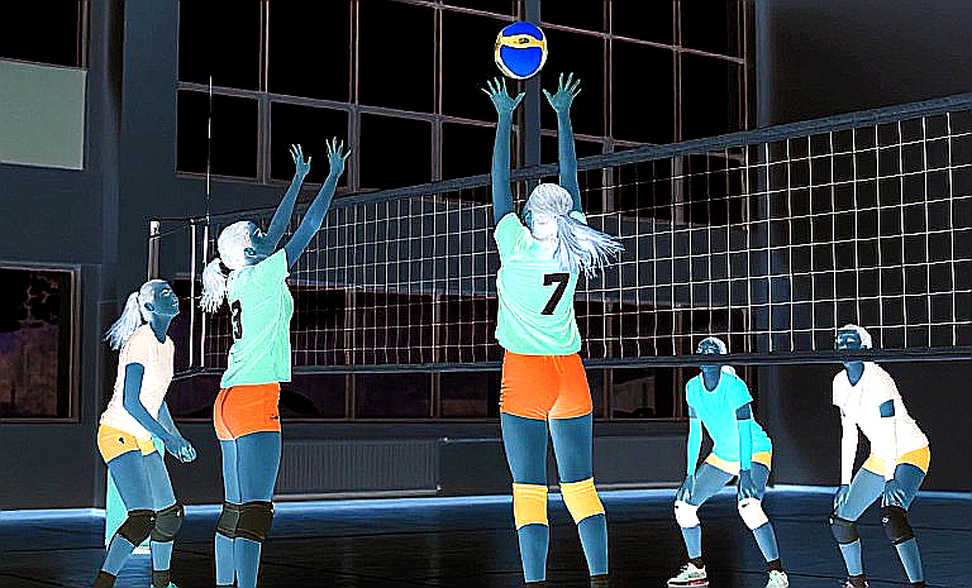
The 7th-8th place match ahead is the last chance to save face. If the coaching staff does not stabilize the first pass and restore calm, I predict another third-set collapse. The empty stadium in 2026 taught me that the voice of fans is clearest when the noise fades. The biggest question now is not the lineup, but who will carry the first pass for this team.